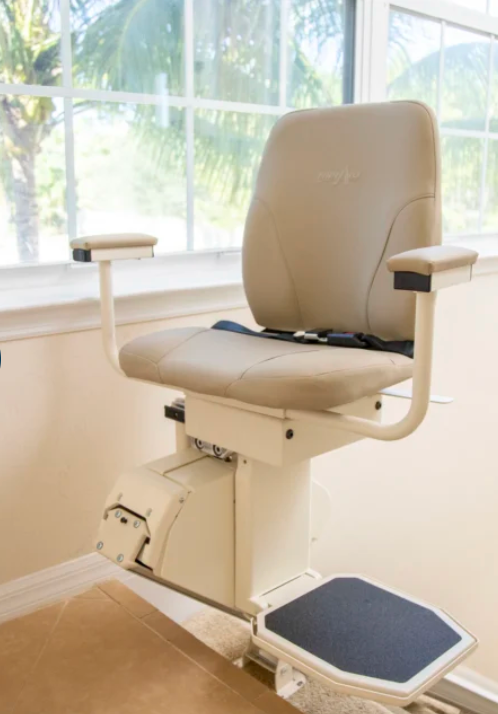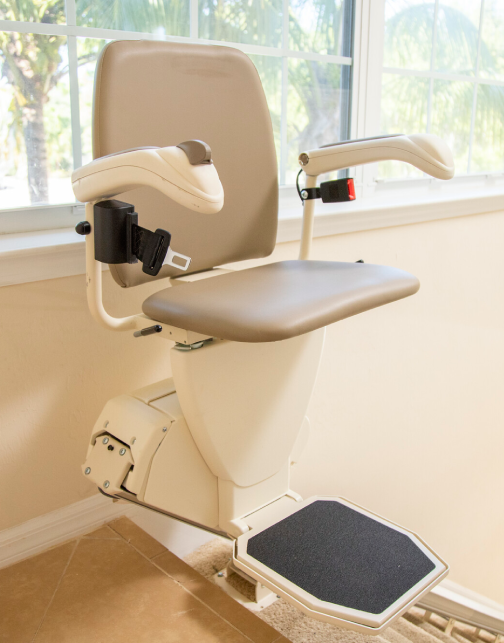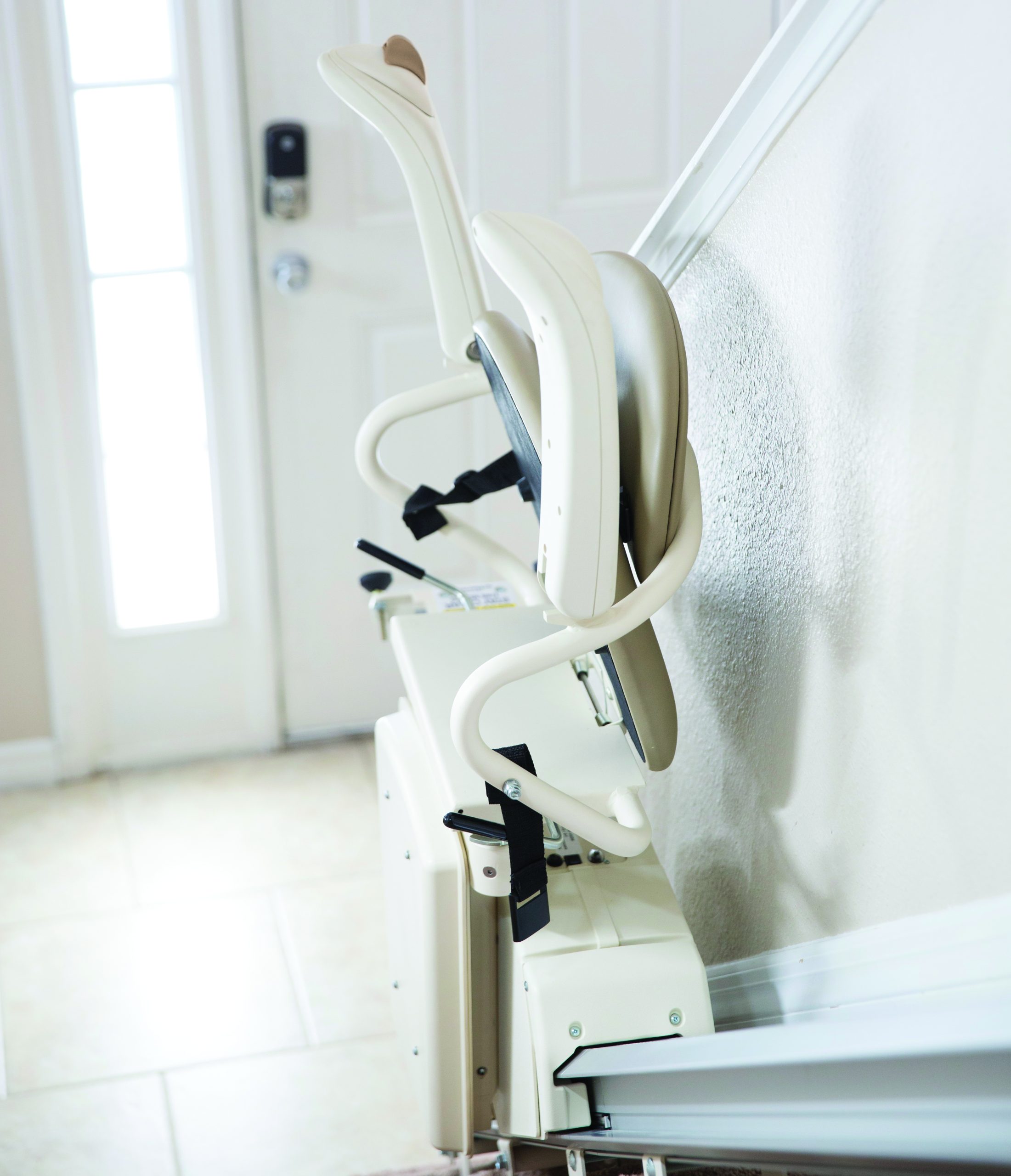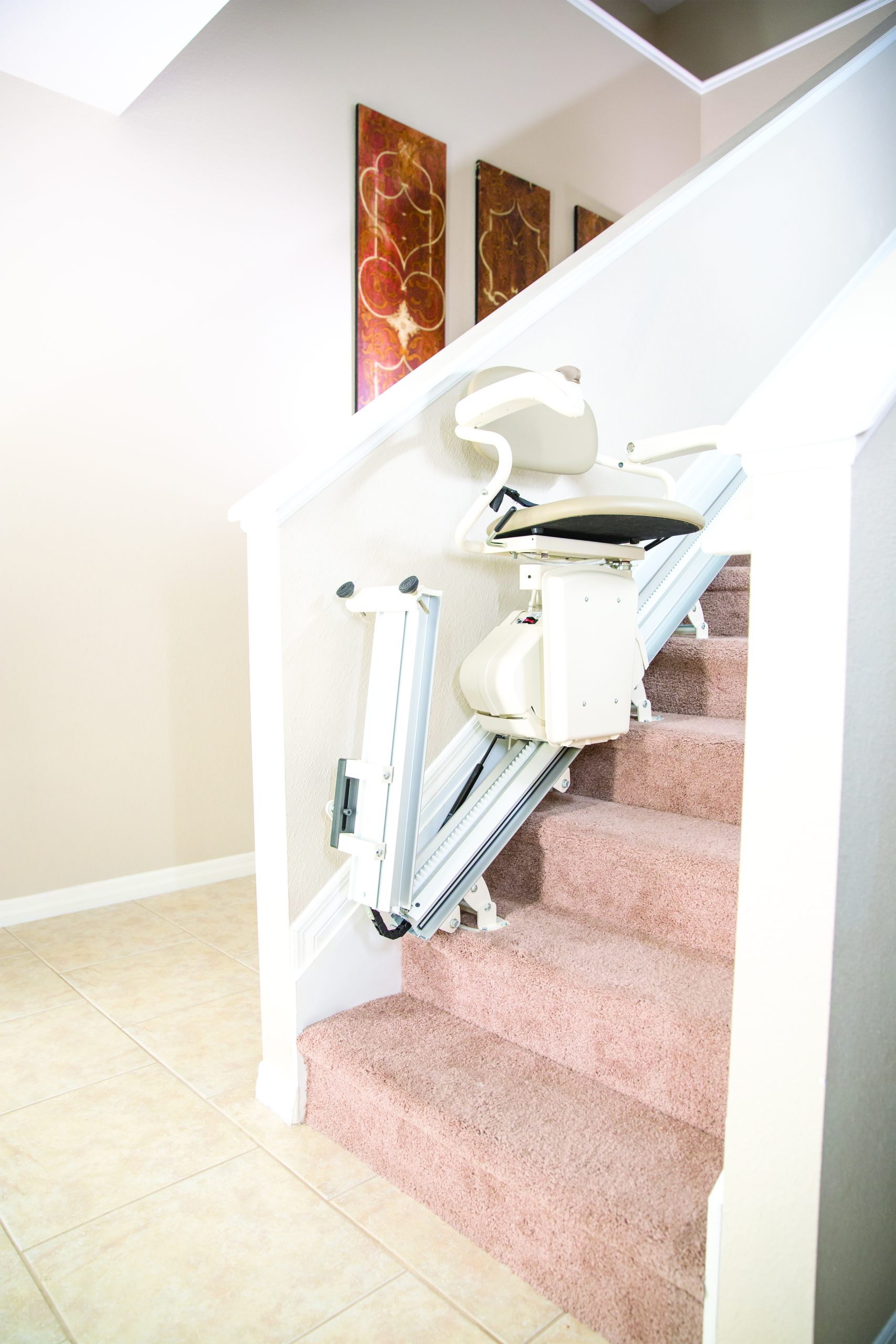
A stair lift is a mechanical device carrying a person up a flight of stairs several times a day, and it needs the same care any mechanical device does. Our certified technicians handle stair lift maintenance, repair, and service across New Hampshire, on units we installed and on units bought elsewhere.
An annual preventative visit suits a standard household with one rider on an indoor straight lift. A bi-annual schedule, meaning twice a year, is the right call for heavier use, multiple riders, curved rails with more moving parts, and any outdoor installation.
The purpose of a preventative visit is to catch wear before it becomes a breakdown. Nearly every emergency call we take is something a scheduled visit would have found while it was still a minor adjustment.
A lift used twice a day and a lift used fifteen times a day are not on the same schedule. Multiple riders in a household increase both the cycle count and the total load. Outdoor units take weather in addition to use, which shortens the interval further. If your lift runs more than a few round trips daily, move to a twice yearly schedule.
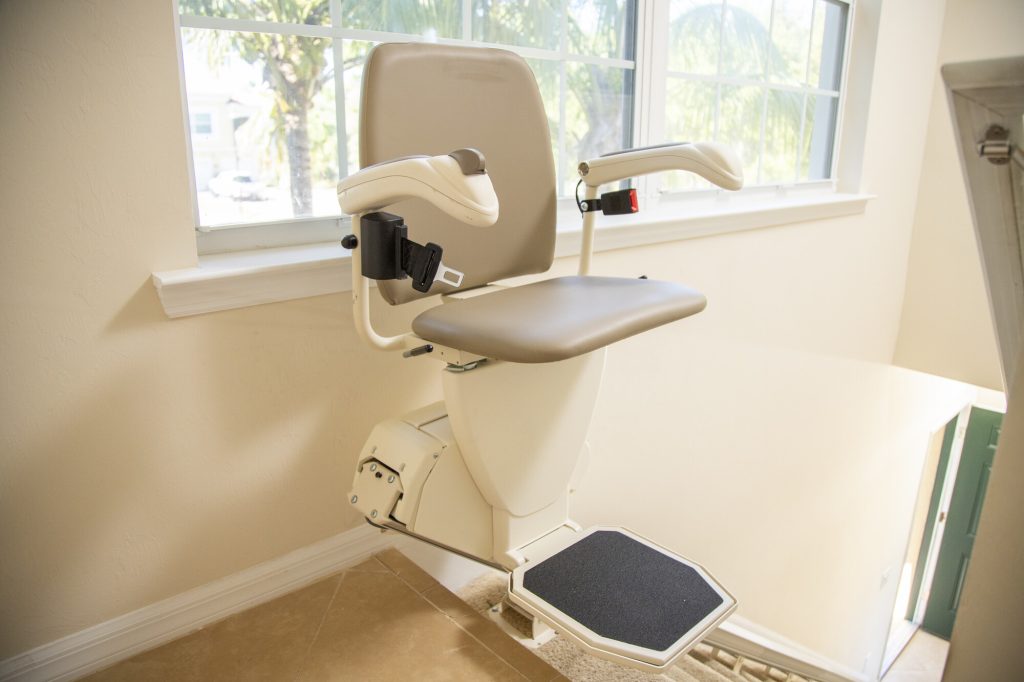
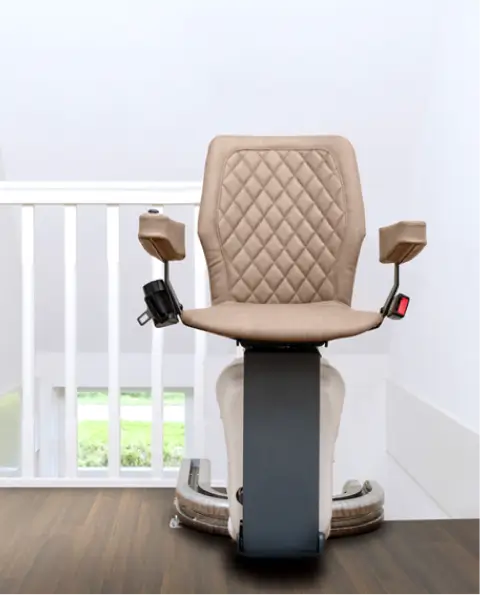
You get a written summary of what was checked and anything approaching the end of its service life, so a battery replacement is a planned expense rather than a surprise.
The usual cause is an obstruction sensor doing its job. A shoe, a stair rod, a pet toy, or a loose edge of carpet contacting the carriage will stop travel by design. Clear the rail and try again. If it stops in the same spot with nothing in the way, the cause is more likely a sensor fault or a section of rail needing adjustment, and that is a technician visit.
Continuous beeping most often means the carriage is parked away from a charge point and the batteries are draining. Park it at the top or bottom charge position and the alarm usually clears. Warning indicators that persist after parking point to a battery or control board issue.
A swivel that will not turn is often an interlock preventing rotation until the lift is fully parked at the landing. A powered footrest that stops responding is usually a switch or wiring fault rather than a motor failure. Both are common and both are quick fixes when caught early.
Park the lift on a charge point every single time you finish riding. This is the one piece of maintenance the owner controls, and it does more for battery life than anything we do on a service visit. Batteries drain steadily when the carriage sits mid rail.
Typical replacement intervals run three to five years depending on use and charging habits. Signs a battery is failing include shorter travel before an alarm sounds, slower travel toward the end of a trip, an indicator that will not clear after a full charging period, and the lift refusing to start after sitting unused for a few days.
A lift showing any of these should be taken out of use until it has been looked at, particularly if the rider cannot manage the stairs unaided.
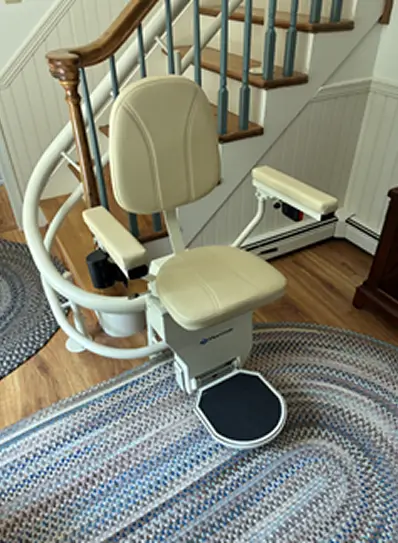
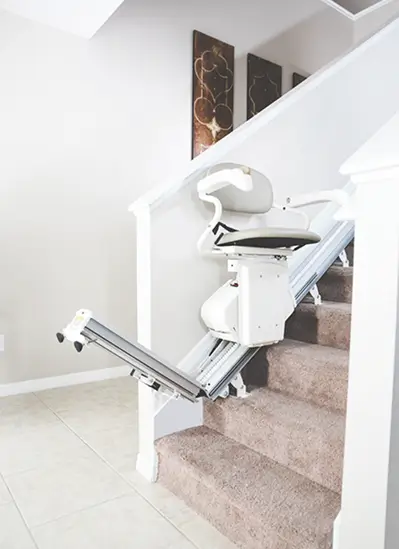
We are certified to sell, install, and repair the lines we carry, with manufacturer training on each. That covers the Pinnacle straight range including the SL300, SL600, and SL600HD, the Harmar Helix and UP curved lifts, and the Harmar Highlander II vertical platform lift. We also service Pollock and Cambridge residential elevators.
We take service calls on units purchased elsewhere. Parts availability varies by manufacturer and model age, and we will tell you honestly before the visit if a part is likely to be a problem rather than after.
Owner manuals for the models we carry are hosted on this site and are worth keeping to hand for model and serial numbers.
Manufacturer warranties cover defects in the drive, the control system, and the structural components for a defined period that varies by model. Keep your paperwork, because warranty claims need the model and serial number and the original install date.
Wear items are not covered. That includes batteries, upholstery, and components that degrade with normal use. Damage from misuse, unauthorized repair, or exceeding the rated capacity also falls outside coverage. A preventative maintenance record helps rather than hurts when a warranty claim is made, because it demonstrates the unit was cared for.
Want to see how a Straight Airlift would look in your home?
Answers to your real estate questions and concerns.
dont worry we're free for consultation, just click button below.
Park it on a charge point after every use, keep the rail and stairs clear of obstructions, wipe the rail down periodically, and book a professional preventative visit annually or twice yearly for heavy and outdoor use. The professional visit covers the drive, sensors, battery, and alignment, which are not owner serviceable.
Once a year for a standard indoor household lift with one rider. Twice a year for heavy daily use, multiple riders, curved rails, and any outdoor installation. Manufacturers also set their own recommended intervals, and following them protects warranty coverage.
A well maintained stair lift commonly runs ten to fifteen years, and many go longer. Batteries are replaced every three to five years within that. Lifespan depends far more on maintenance and charging habits than on the purchase price of the unit.
No. Stair lifts mount to the treads and are removed when no longer needed, leaving small holes that fill and refinish easily, so nothing permanent is left behind. Buyers who need one see it as an asset, and buyers who do not are looking at a staircase that returns to normal in an afternoon.
We are based in Salem with a second office in Meredith, and our technicians live and work in New Hampshire. A stuck lift with someone on the wrong floor is treated as urgent rather than slotted into next week.
That is the practical difference between a local dealer and a national reseller routing your call through a regional dispatcher. We cannot promise a fixed hour to every address, and anyone who does is guessing, but we can tell you where our nearest technician is when you call.