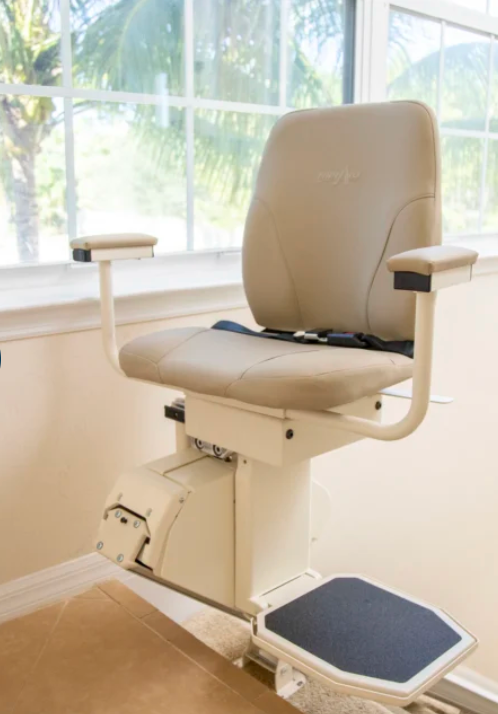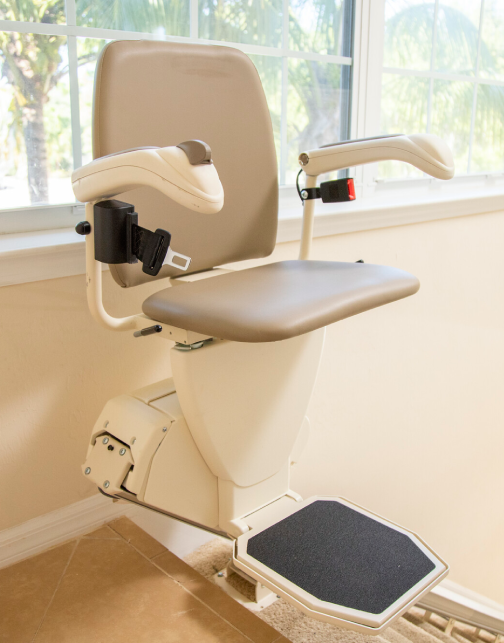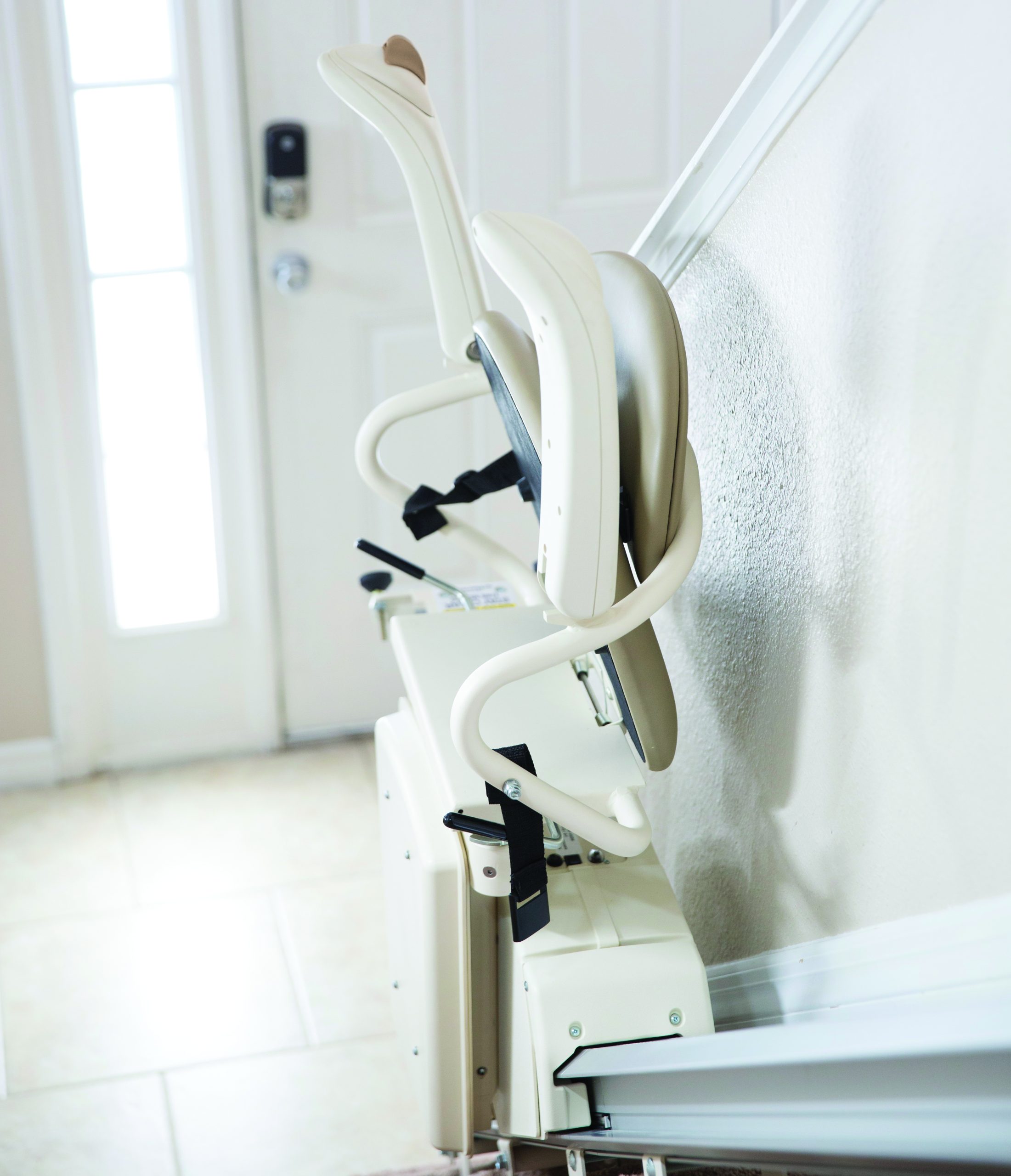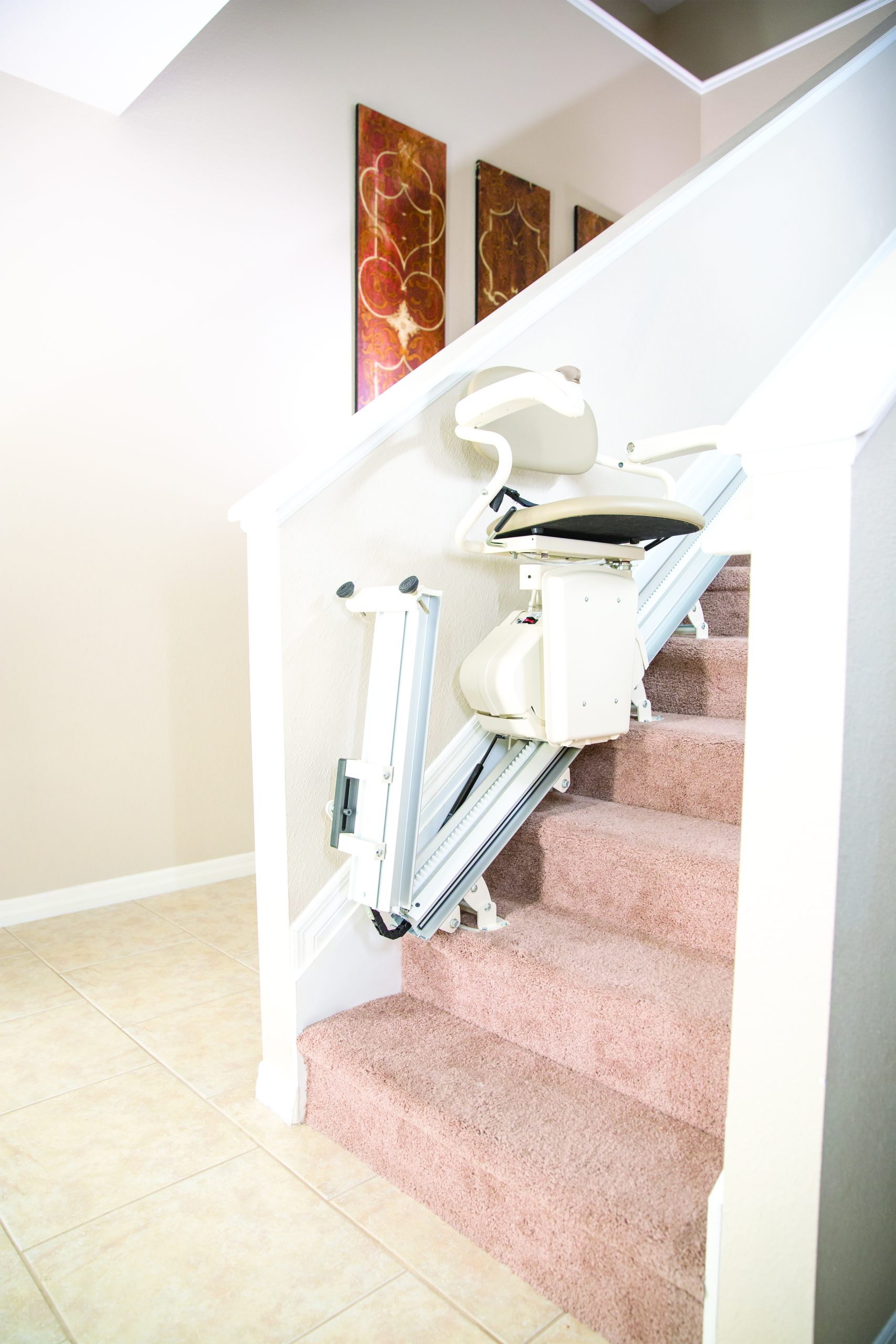
Cost should not be the reason someone spends their days on one floor of their own house. Most families who call us assume a stair lift is a single large payment they either have or do not have. In practice there are several routes, some of which cost very little up front.
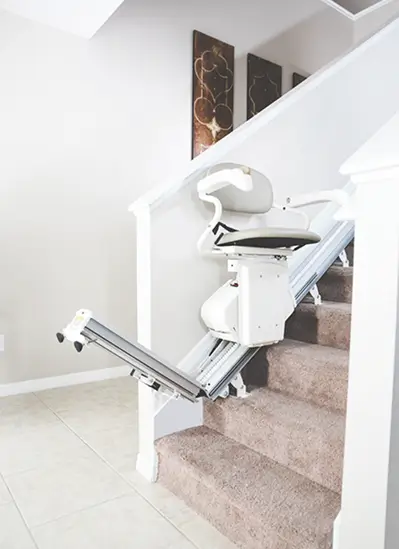
A twelve month commitment on a straight stair lift with installation, service through the term, and removal at the end all included. The monthly figure is lower than short term rental. It suits an uncertain timeline, a progressive condition, or a household that wants the stairs solved now and the purchase decision deferred.
Built for short term needs such as recovery from surgery. A one time installation and removal fee plus a monthly equipment rate, with minimum terms from three months. Straight rails only.
The lowest total cost for anyone needing the lift more than about a year. You own the equipment, the warranty is longer, and the unit can be resold later.
Route | Upfront cost | Monthly cost | Ownership |
Purchase | Full installed price | None beyond service | You own it |
One year lease | Low | Fixed for 12 months | Returned at term end |
Month to month rental | Install and removal fee | Higher monthly rate | Returned when you finish |
We work with veterans through the VA and prepare whatever documentation an application needs.
Which program applies depends on the modification being funded. The Home Improvements and Structural Alterations grant provides a lifetime benefit of up to $6,800 for service connected disabilities, and a lower amount for qualifying non service connected cases. The VA’s published exclusion list for HISA names stair glides and porch lifts among items the grant does not fund, while permanent modular ramping does qualify. The Specially Adapted Housing and Special Home Adaptation grants run under separate rules with substantially higher limits that adjust each year.
Applications require a prescription approved by a VA physician along with medical justification, and work started before approval is not reimbursed. Confirm eligibility and current program rules with the Prosthetic and Sensory Aids Service at your local VA medical center before committing to anything.
We work with veterans regularly, so call to talk it through.
New Hampshire Medicaid home and community based services waivers can fund accessibility equipment for eligible participants. The Choices for Independence waiver serves older adults and adults with physical disabilities and is the one most often relevant to stair lifts. Developmental disability and acquired brain disorder waivers cover other populations.
Coverage is not guaranteed and it is not automatic. Approval depends on the waiver, the functional assessment, the care plan, and available funding at the time of application. It is worth asking about, and the people to ask are your case manager or a ServiceLink resource center.
Medicare classifies a stair lift as a home modification rather than durable medical equipment, which places it outside Part B coverage. A doctor’s letter of medical necessity does not change that classification, because the classification is about the equipment and not the patient. Some Medicare Advantage plans include supplemental home modification benefits, so call the number on the back of your card and ask about home accessibility.
Several categories of assistance sit outside government coverage.
These sometimes run low interest equipment loan funds and device reuse programs.
New Hampshire’s ServiceLink network maintains current information on regional funds and can point you toward what is open.
Organizations supporting MS, ALS, Parkinson’s, and muscular dystrophy often maintain equipment grant funds for people with those diagnoses.
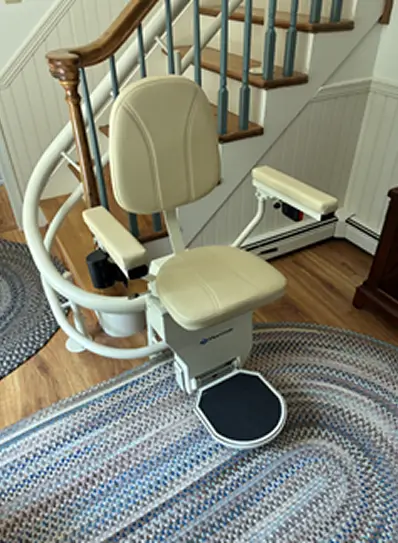
Refurbished straight lifts are occasionally placed at little or no cost through nonprofit reuse networks.
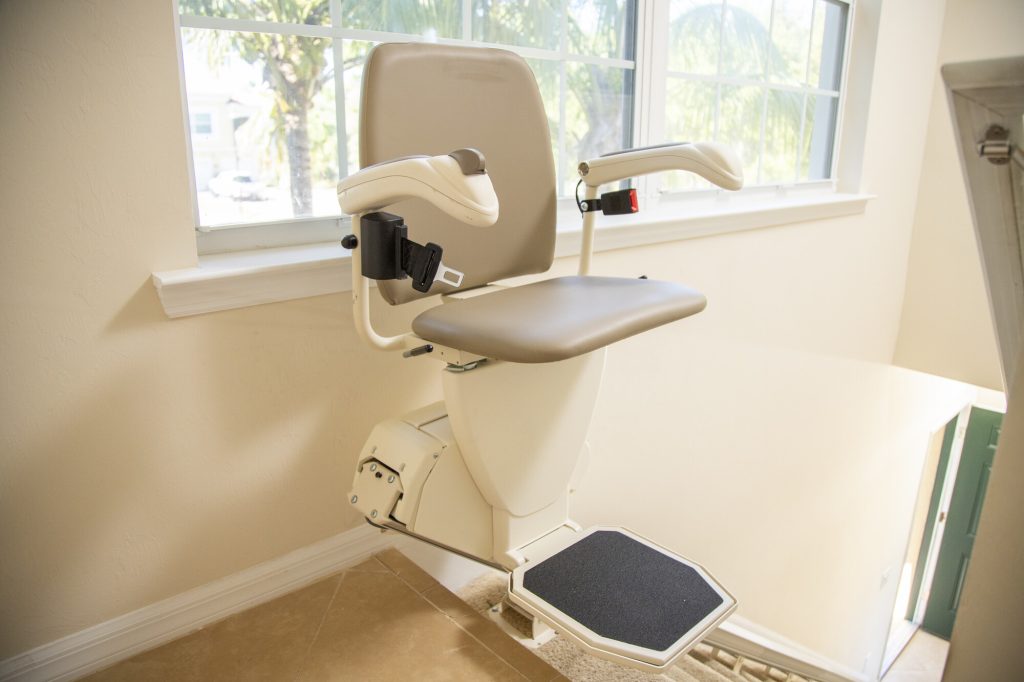
Most private health plans decline stair lifts on the same reasoning Medicare uses. That said, three policy types are worth reading before you assume nothing is available.
Look at the durable medical equipment section for how the plan defines covered equipment. Look at any home modification benefit, which appears in some long term care policies. Look at accident and injury coverage, which occasionally responds when the need follows a covered incident.
Ask the insurer directly if the plan carries a home modification benefit and what the annual limit is, what documentation is needed and who must provide it, and if prior authorization is required before work begins. Get the answer in writing, because a phone confirmation is difficult to hold anyone to later.
Route | Year 1 | Years 2 to 5 | Five year total position |
Purchase | Full installed price | Service visits and one battery set | Lowest total outlay, equipment retained |
One year lease | Twelve monthly payments | Renewal or purchase decision | Competitive for one year, expensive if renewed repeatedly |
Month to month rental | Install fee plus twelve months | Twelve months per year, ongoing | Highest total, nothing owned at the end |
The crossover sits at roughly eight to twelve months of use. Anyone needing the lift longer than a year is generally better off buying, and we will show you both figures.
Want to see how a Straight Airlift would look in your home?
Answers to your real estate questions and concerns.
dont worry we're free for consultation, just click button below.
Most private health plans do not, treating a stair lift as a home modification. Long term care policies sometimes carry a home modification benefit, and accident coverage occasionally responds after a covered injury. Read the policy language and get any answer in writing.
Yes. Our one year lease covers a straight stair lift with installation, service, and removal included at a lower monthly cost than short term rental. It suits households that are not ready to purchase or are unsure how long the equipment will be needed.
There are several possible routes rather than one dedicated grant. Medicaid waiver funding, VA programs for veterans, disease specific foundation grants, and equipment reuse programs all place units in New Hampshire homes.
Yes, through either the month to month rental or the one year lease. Both spread the cost into a monthly payment and both include installation, service, and removal.
Financing arrangements exist alongside the lease and rental routes. Read any financing offer the way you would read a car loan, checking the term, the rate, the total repayable, and the end of agreement terms.
Fully funded units are uncommon. The closest routes are Medicaid waiver approval for eligible participants, foundation grants tied to a specific diagnosis, and nonprofit equipment reuse programs placing refurbished straight lifts. All of them are either means tested or condition specific.
That depends entirely on the policy. Call the insurer and ask if the plan carries a home modification or home accessibility benefit, what the limit is, and what documentation is required. We will provide the quote and specifications the insurer asks for.
The free in-home assessment ends with a written quote and a plain explanation of every payment route open to you, including the ones that do not involve us.