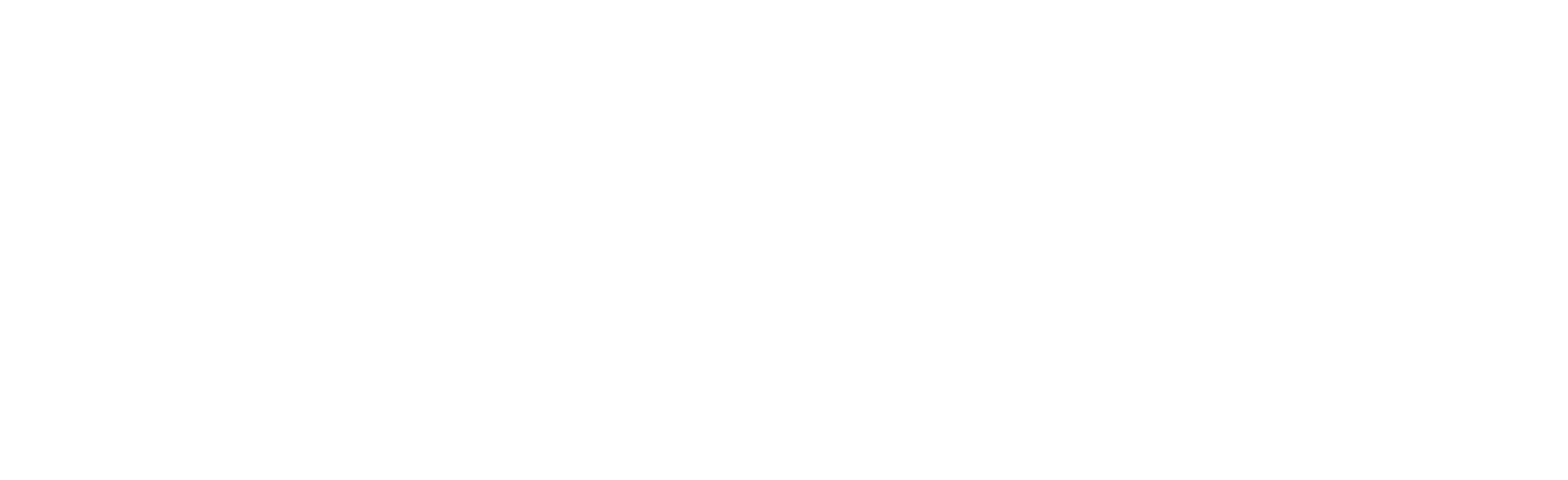
We are a family run team of certified installers handling stair lift installation on straight, curved, and multi landing staircases across New Hampshire. Locally owned and operated since 2019, we sell, install, and service every stairlift we put in, so the people who fit your equipment are the same people who look after it.
The process runs from a first phone call to a first ride, and most of it happens before anyone arrives with tools. A technician visits the home, measures the staircase, and talks through who will be using the lift. A model gets recommended, a written quote follows, and the equipment is ordered. On install day the crew fits the rail, sets the carriage, connects power, tests every safety function, and walks the household through daily operation.
The part that surprises most homeowners is how little the house changes. There is no remodeling, no wall damage, and no framing work. The rail fastens to the stair treads, which means the wall behind it is never load bearing for the lift and never gets touched.
Nothing gets quoted or ordered until someone has stood on the staircase. Photos and phone measurements leave out the details that decide which models fit. The visit takes under an hour and costs nothing.
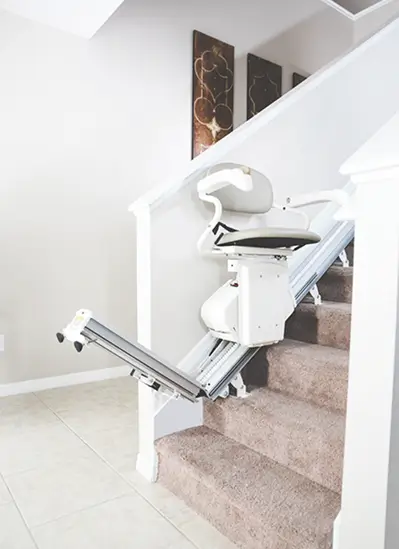
The equipment has to suit the person, not just the stairs. We ask who will be riding the lift and if more than one person in the household will use it. Weight capacity, seat height, and how easily the rider can transfer on and off all steer the recommendation. We also ask what mobility aid is in use now, along with what may be needed a few years out, because planning for the second scenario often costs nothing extra at the point of purchase.
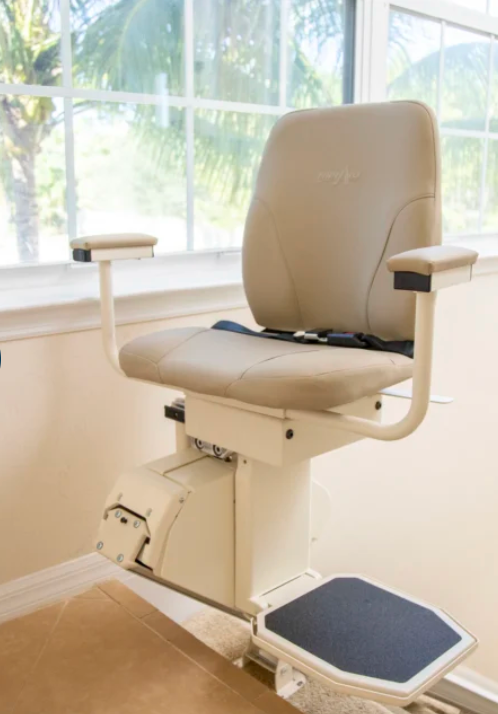
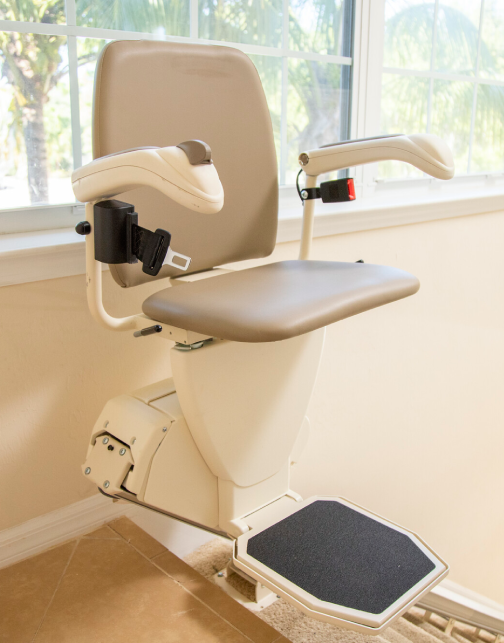
Straight and curved staircases lead to different equipment and different timelines. From there the choice narrows by capacity tier, then by seat and footrest options such as a powered swivel or a powered footrest. You get the reasoning in writing along with the price, not just a model number.
Most straight installations finish in a few hours during a single visit. The rail comes cut to length from stock, so the wait between the assessment and the install is usually a week or two rather than a month.
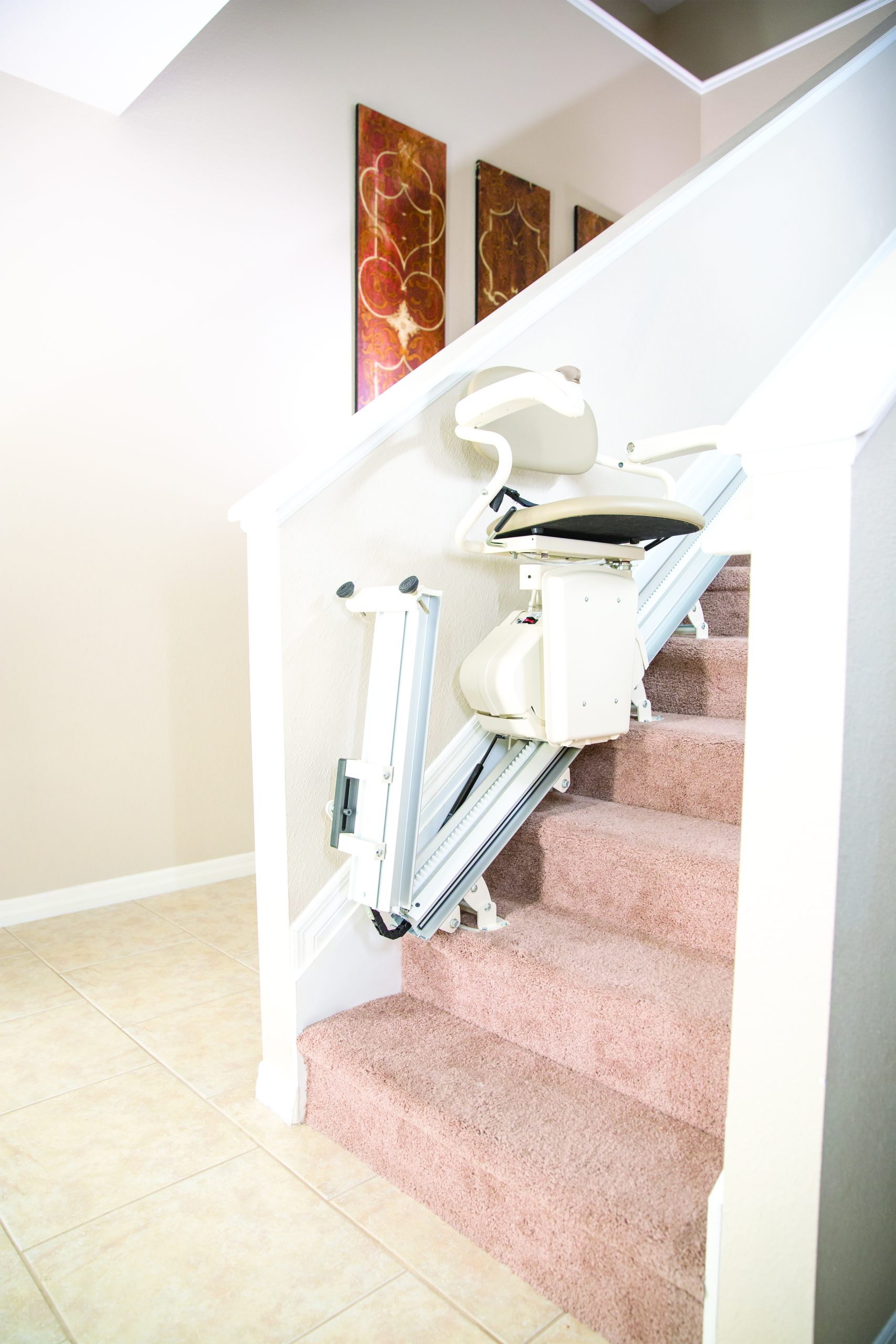
The crew assembles the rail and mounts it to the treads using brackets spaced along the run, adjusting bracket height so the rail holds a consistent angle from the bottom step to the top. The carriage slides on next and gets fitted with the seat, footrest, and armrests, all set to the rider’s height and reach. Power comes last, followed by a charge check to confirm the batteries are taking a full charge at both park points. Then the lift runs through a full safety test before anyone signs anything.
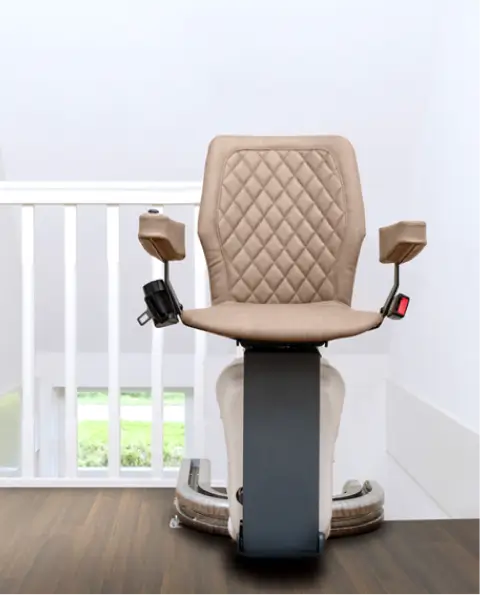
Curved staircases run on a two stage timeline. The first stage is measurement, which is far more detailed than a straight run and often uses a laser or photo based system that captures the angle of every turn. That data goes to the workshop, where the rail is fabricated for your staircase and no other.
Fabrication is the part that takes time. We give you the current lead time from the manufacturer at the point of order rather than a number pulled from a brochure, because that figure moves with workshop demand. The installation itself takes anywhere from one long day to two or three days depending on how many sections the rail arrives in.
Every landing, turn, and intermediate stop adds rail sections and joints, and each joint has to be aligned so the ride stays smooth through the corner. That work shows up in both the schedule and the price. A staircase with two 90 degree turns and a mid landing costs more and takes longer than a single gentle curve, which is why curved pricing cannot be quoted accurately over the phone.
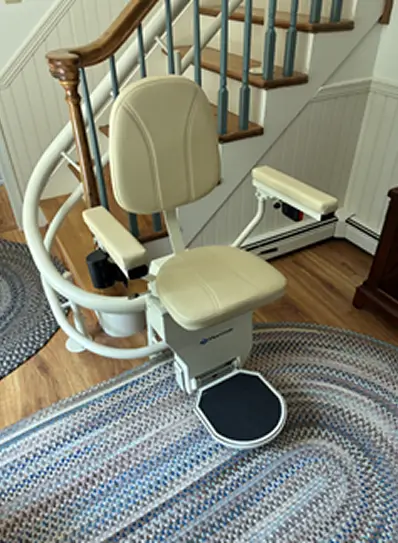
This is the question we get asked most, usually by someone worried about their plaster, their wallpaper, or a wall that will not hold a fixing. The rail carries its load through brackets bolted into the structural part of the stair treads. The wall carries nothing. Old plaster, stone, and stud walls are all irrelevant to the installation.
When the lift comes out years later, what remains is a set of small holes in the treads where the brackets sat. On carpeted stairs they close up and go unnoticed. On bare wood they can be filled and touched up by a finish carpenter for very little.
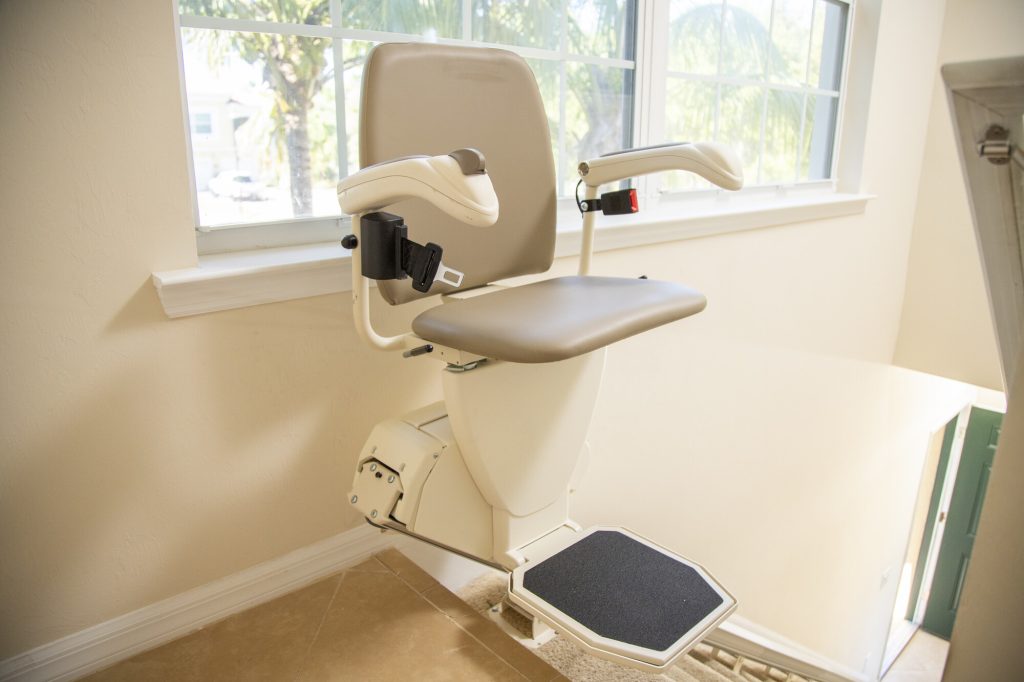
Most residential stair lifts run on rechargeable batteries that top up whenever the carriage parks at a charge point. The charger plugs into a standard household outlet, and no dedicated circuit is needed for the majority of installations.
Battery operation carries a second benefit that matters in New Hampshire. When the power goes out, the lift keeps running on stored charge for a number of trips, so a storm does not strand anyone on the wrong floor. The one thing to check early is that an outlet sits within reach of the top or bottom landing. Adding one requires an electrician, and that is the most common cause of a delayed install date.
Before the crew leaves, the lift gets run through its full range repeatedly while every safety function is checked. That covers the seatbelt latch, the obstruction sensors on the carriage and footrest, the emergency stop, the call controls at both landings, and the battery backup performance.
The handover demonstration is done with the person who will ride the lift and at least one family member, not only the person who booked the appointment. Both get shown daily operation, the manual lowering procedure, and what each warning indicator means. We would rather spend the extra fifteen minutes than take a service call for something a two minute demonstration would have covered.
Our team is certified to sell, install, and repair the products we carry, with manufacturer training on each line rather than general handyman experience. Installations are performed by our own people.
We have been locally owned and operated since 2019, run as a family business, and we work regularly with veterans through the VA on home access projects. The same team that quotes the job installs it and returns for service.

We install from two locations. The main office in Salem covers southern New Hampshire and the Massachusetts border towns, and the Lakes Region office in Meredith covers the north by appointment.
Towns served include Salem, Windham, Derry, Londonderry, Pelham, Atkinson, Hampstead, Plaistow, Hudson, Nashua, Merrimack, Amherst, Hollis, Bedford, Manchester, Concord, Meredith, Laconia, Gilford, Belmont, Tilton, Center Harbor, Moultonborough, Wolfeboro, Alton, and Plymouth.
Want to see how a Straight Airlift would look in your home?
Answers to your real estate questions and concerns.
dont worry we're free for consultation, just click button below.
A straight stair lift is usually installed in two to four hours during one visit. Curved installations take longer, from a single full day to two or three days, because the rail arrives in sections that have to be assembled and aligned on site.
No. Brackets fasten into the structural part of the treads, leaving small holes when the lift is eventually removed. Those holes are hidden entirely by carpet and can be filled and refinished on bare wood. Walls, banisters, and plaster are not touched.
Nearly any. Straight, curved, spiral, narrow, steep, and multi landing staircases all have workable options. The limiting factors are usable stair width and landing clearance rather than the layout of the run. A site visit gives a definite answer in a few minutes.
Usually not. Most stair lifts plug into a standard household outlet. An electrician is only needed when no outlet sits within reach of either landing, which the free assessment identifies well before install day.
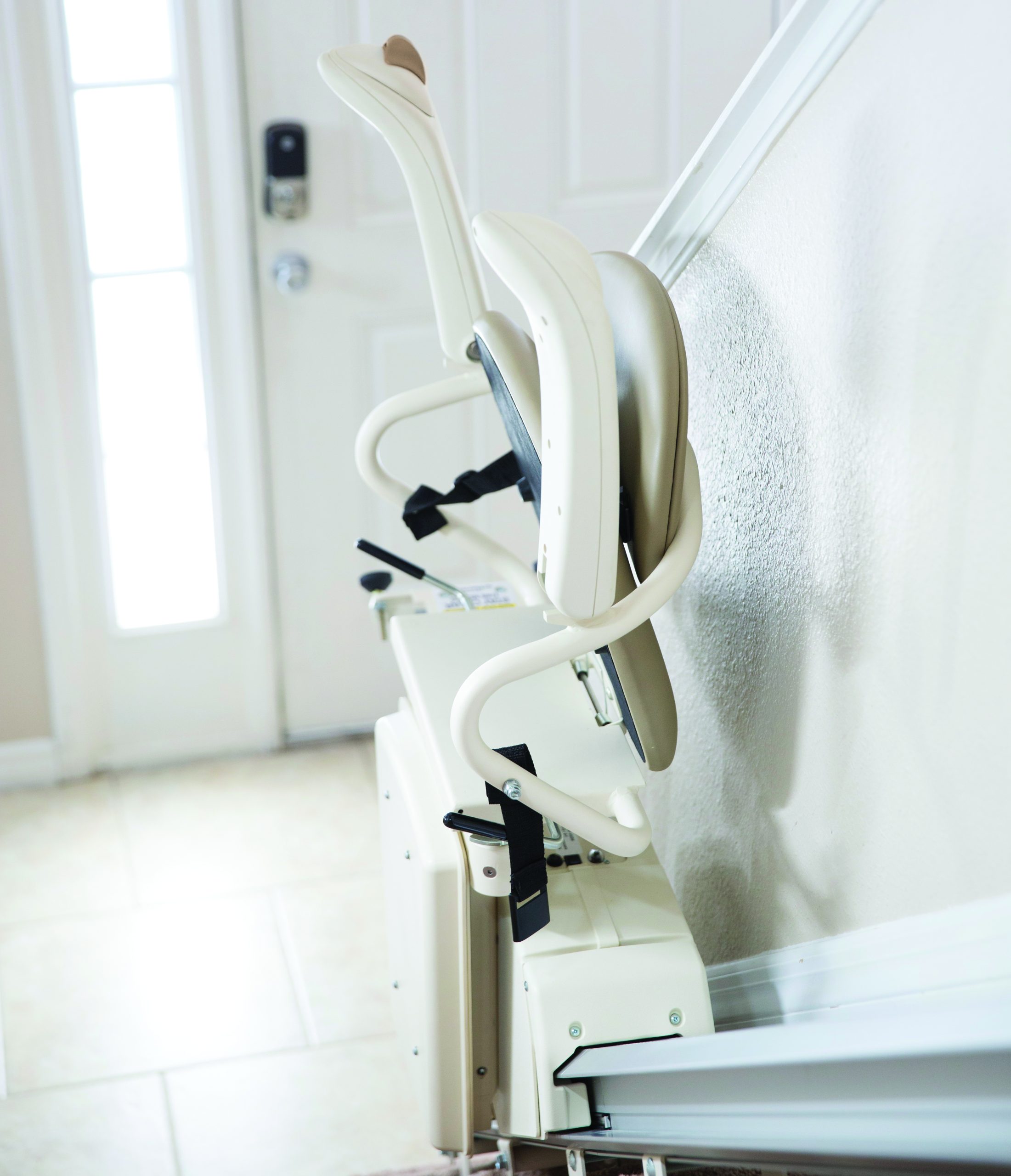
Yes. Slim profile models with folding seats, arms, and footrests are built for tight stairwells, and steep staircases are handled with adjusted seat and footrest geometry. The measurement that matters is the folded width of the unit against your usable stair width.
Installation labor is included in the installed price we quote rather than billed separately. Straight installations sit at the lower end because the rail comes from stock. Curved installations cost more because the rail is fabricated for one staircase.
The staircase drives the number far more than the brand does. Rail length, the number of turns and landings, weight capacity, and indoor or outdoor placement account for most of the variation. We give a written quote after the assessment with every line itemized.
Neither brand is better in every situation. Both are established manufacturers with solid straight and curved lines, and the meaningful difference for most households is fit and local service rather than the badge. The dealer who installs and maintains the lift affects your experience more than the manufacturer does.
In most cases yes. The rail mounts low on the treads and the carriage travels below handrail height, so the two coexist on the majority of staircases. Where a handrail sits directly in the path of the seat, a section can usually be shortened or relocated rather than removed.
The free in-home assessment gives you a model recommendation, a realistic timeline, and a written quote with no obligation attached.