Maintaining independence at home is a top priority for older adults and individuals navigating mobility challenges. However, when multi-story homes feature steep or narrow staircases, daily movement can become hazardous. According to the Centers for Disease Control and Prevention (CDC), falls are the leading cause of injury among adults aged 65 and older, with staircases posing one of the highest environmental risks in residential settings.
Installing a home accessibility lift offers a practical, safe solution. It bridges the gap between total independence and safer living, allowing individuals to remain in the homes they love without risking injury.
Navigating the market to find the best stair lift for home use can feel overwhelming. With varying staircase layouts, weight capacities, drive systems, and pricing models, selecting the right device requires a clear understanding of your options. This comprehensive stair lift purchasing guide provides the practical facts, financial insights, and technical criteria you need to make an informed decision.
Understanding the Main Types of Stair Lifts
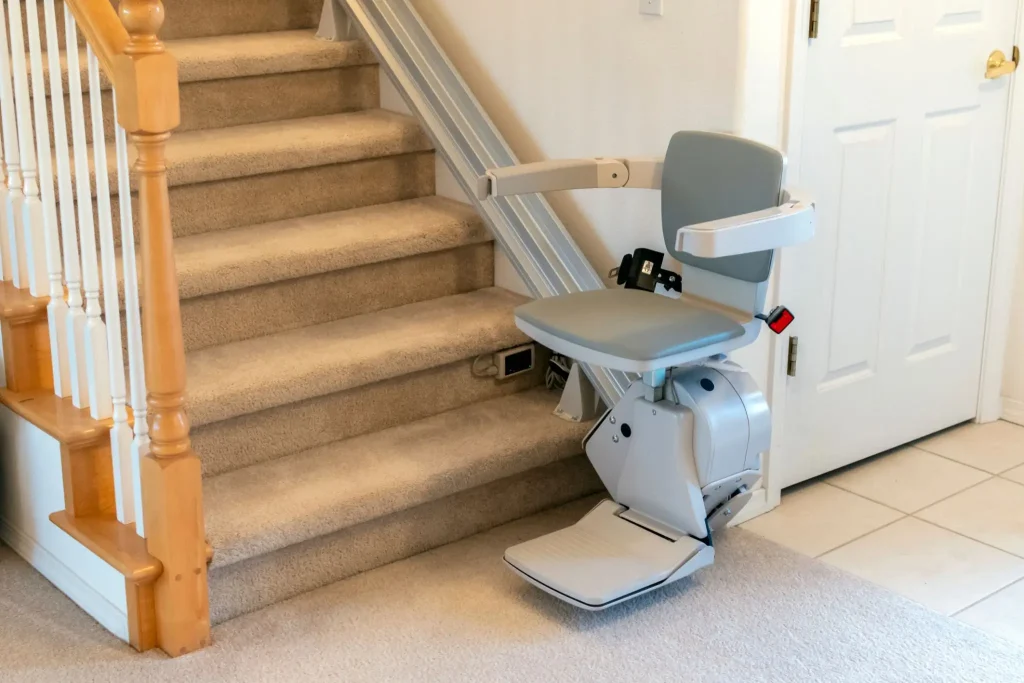
Before evaluating brand features, the first step in selecting home stair lift models is determining which physical configuration fits your architecture. Stair lifts mount directly to the stair treads—not the wall—and fall into three main structural categories.
| Stair Lift Type | Best Suited For | Key Characteristics | Typical Price Range |
| Straight Stair Lifts | Single, unbroken flights of stairs | Prefabricated modular rails, fast installation | $2,500 – $5,000 |
| Curved Stair Lifts | L-shaped, U-shaped, or spiral stairs | Custom engineered tracks designed for exact bends | $9,500 – $15,000+ |
| Outdoor Stair Lifts | Porches, decks, and exterior steps | Weatherproofed components, protective covers | $5,000 – $7,000 |
Straight Stair Lifts
If your staircase travels in a single, direct line from top to bottom without turns, intermediate landings, or curved steps, a straight lift is the most economical solution. Because the aluminum tracks are prefabricated and can be cut to size on-site, installation takes only a few hours.
Curved Stair Lifts
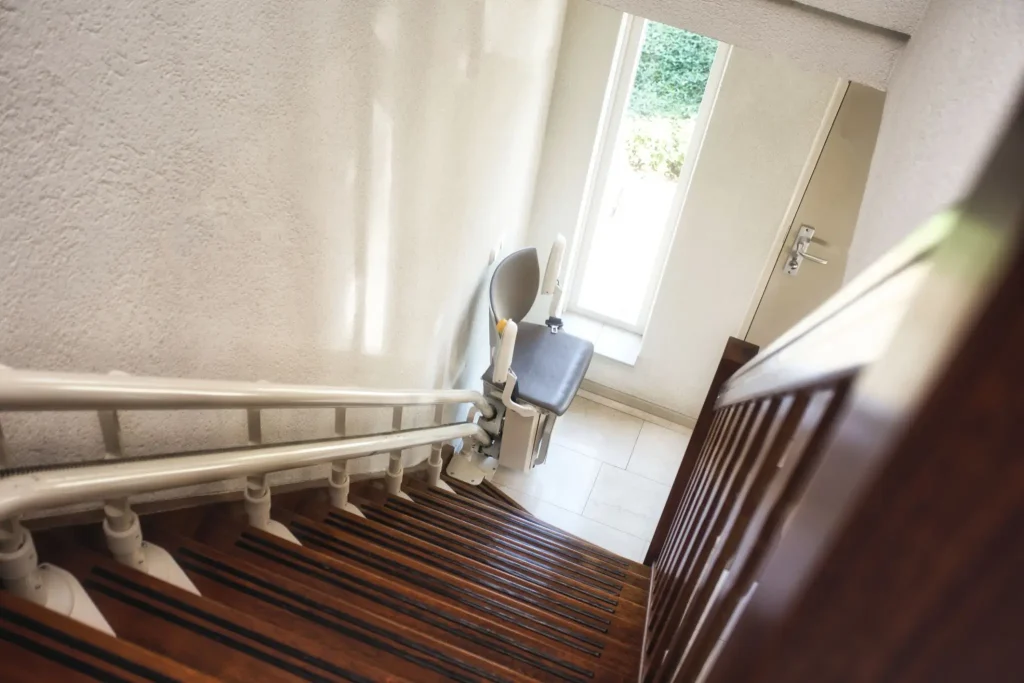
If your stairs turn a corner, feature an intermediate landing, or have pie-shaped (winder) steps, you will need a custom curved model. Manufacturers use 3D photo mapping technology to craft a custom rail that follows the exact contours of your stairwell. To explore tailored solutions for multi-level or complex configurations, review specialized options for curved stair lifts.
Outdoor Stair Lifts
Outdoor models are built to withstand severe weather, from summer humidity to winter snow. They feature marine grade vinyl seating, powder coated aluminum rails, sealed internal gearboxes, and waterproof weather covers. These units are ideal for entry porches, sloped gardens, or split level garage entrances.
Key Indoor Stair Lift Features to Look For
Beyond basic track configurations, safety mechanisms and ergonomic features define the user experience. When evaluating options, prioritize the following indoor stair lift features:
Essential Safety Mechanisms
- Obstruction Sensors: Pressure sensitive pads located on the footrest and carriage automatically stop the lift if an object, pet, or loose clothing is detected on the steps.
- Seatbelts: Standard retractable seatbelts keep the user secure during movement. Advanced models feature harness style belts or interlock belts that prevent the unit from operating until buckled.
- Swivel Seat Interlocks: At the top landing, the chair swivels toward the floor so the user can stand up safely away from the stairs. An interlock prevents the lift from moving while the seat is swiveled out of position.
- Emergency Stop Buttons: An easily accessible switch allows the user or a caregiver to cut power immediately if needed.
Ergonomics and Ease of Use
- Power Folding Footrests and Hinges: If the bottom of your staircase ends near a doorway or high traffic hallway, a powered folding rail automatically lifts out of the way when the chair reaches the top, eliminating trip hazards.
- Joystick Controls and Remote Call/Send Units: Ergonomic paddle switches require minimal hand strength to operate. Additionally, wall mounted remote controls allow family members to call the lift up or down the stairs on demand.
- Compact Folding Profiles: Look for models with seats, armrests, and footrests that fold up neatly when not in use, leaving plenty of room for foot traffic on the stairs.
Technical Specifications: Drive Systems, Power, and Weight Limits
Understanding the internal mechanics helps ensure long term durability and low maintenance costs.
Rack and Pinion vs. Cable Drives
Modern home accessibility lifts use a rack and pinion drive system, where a motorized gear meshes with a steel track running along the rail. This system offers smooth motion, reliable stopping power, and high energy efficiency. Cable driven models are largely obsolete and tend to require more frequent maintenance.
Battery Backup Systems
Most modern stair lifts operate on standard 110V household outlets that continuously charge onboard 24V DC batteries. This ensures that during a power outage, the lift will continue to perform 10 to 20 full cycles, so users are never stranded on different levels of their home.
Weight Capacity Considerations
Standard stair lifts accommodate weight capacities between 300 to 350 lbs. For users requiring additional structural support, heavy duty or bariatric lifts offer capacities ranging from 400 to 600 lbs. Heavy duty models feature reinforced carriages, wider seats, and higher torque motors.
Stair Lift Costs, Financing, and Insurance Options
The total cost of a stair lift includes the unit itself, custom manufacturing (if applicable), shipping, and professional installation.
| ESTIMATED COST BREAKDOWN • Straight Lifts (New): $2,500 – $5,000 • Curved Lifts (Custom): $9,500 – $15,000+ • Reconditioned / Used Lifts: $1,800 – $3,200 • Professional Installation: $500 – $1,500 (Often included in quotes) |
Does Insurance or Medicare Cover Stair Lifts?
- Medicare Part A & B: Medicare classifies stair lifts as ‘home modifications’ rather than Durable Medical Equipment (DME), meaning they are generally not covered.
- Medicare Advantage (Part C): Some Advantage plans offer supplemental home accessibility benefits. Check with your provider directly.
- Veterans Affairs (VA) Benefits: Veterans may qualify for grants such as the HISA (Home Improvements and Structural Alterations) grant or SAH/SHA grants, which can cover the full cost of installation.
- Medicaid Waivers: Many states offer Home and Community Based Services (HCBS) waivers designed to help seniors age in place, which may assist with equipment costs.
Buying vs. Renting
If mobility issues are temporary—such as recovering from hip or knee surgery—a short term rental may be more economical. Renting typically involves a monthly fee plus installation and removal charges. For permanent conditions, purchasing outright or exploring flexible financing plans is the most cost effective long term choice.
Step by Step Guide to Selecting and Installing a Home Stair Lift
To ensure a smooth purchasing process, follow this step by step framework:
- Step 1: Assess Physical and Mobility Needs — Evaluate the user’s manual dexterity, balance, weight, and transfers. Determine if a swivel seat, power footrest, or harness style seatbelt is required for maximum safety.
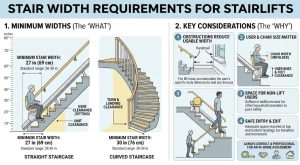
- Step 2: Measure the Staircase Architecture — Measure the length of the stairs, the clear width from baseboard to baseboard (minimum 30–32 inches required for standard units), and check for obstructions like doorways, radiators, or handrails.
- Step 3: Schedule an On-Site Home Evaluation — A trained factory technician will evaluate tread strength, electrical outlet placement, and ceiling clearance to ensure your stairwell meets safe operating conditions.
- Step 4: Compare Quotes and Warranties — Request itemized quotes that include equipment, shipping, installation, and ongoing maintenance. Review warranty coverage—top brands offer 10 year motor warranties and at least 2 year parts guarantees.
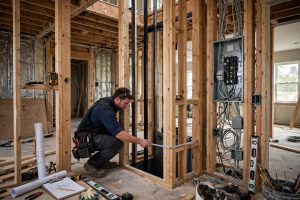
- Step 5: Professional Installation and Safety Demo — Professional technicians secure the rails into the stair treads, calibrate speed and safety sensors, and walk you through every operational control before leaving.
Take the Next Step Toward Home Safety
Choosing the right stair lift restores freedom, provides peace of mind for family members, and allows aging adults to comfortably remain at home. Whether you need a simple straight track or a custom curved solution, working with a certified local mobility expert ensures your lift is tailored to your exact needs.
Ready to explore your options or get an accurate quote? Contact our local home accessibility specialists today to schedule a free home assessment.
Frequently Asked Questions (FAQs)
1. Does Medicare pay for stair lifts?
No. Original Medicare (Part A & B) does not cover stair lifts because it classifies them as “home modifications” rather than Durable Medical Equipment (DME). However, some Medicare Advantage (Part C) plans, Medicaid waivers, or VA grants may offer partial financial coverage.
2. What is the average cost of a stair lift?
The cost depends on the type of staircase:
Straight Stair Lifts: $2,500 – $5,000
Curved Stair Lifts: $9,500 – $15,000+
Used / Reconditioned Lifts: $1,800 – $3,200
3. What can seniors do instead of a stair lift?
Main Floor Living: Move the primary bedroom and living space to the ground floor.
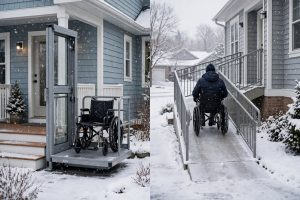
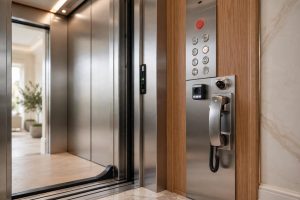
Home Elevators or Vertical Platform Lifts: Install mini home elevators or wheelchair platform lifts.
Wheelchair Ramps: Use ramps for short flights of stairs or porch entrances.
4. Do stairlifts turn corners?
Yes. Custom curved stair lifts are specifically engineered with specialized rail tracks to navigate turns, corners, L-shapes, U-shapes, and spiral staircases smoothly.