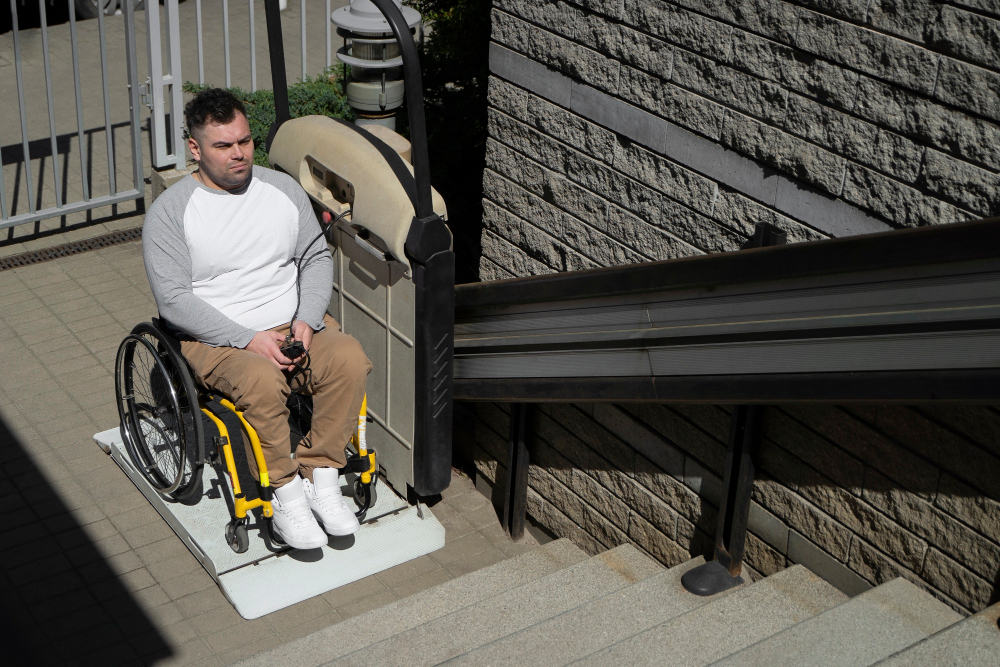
A VPL wheelchair platform lift looks much the same in a garage as it does beside a back deck. The tower is the same height, the platform is the same size, and the rider operates it the same way. What changes is everything around the machine. Outdoor units need a concrete pad, a finish built for weather, a drainage plan, and a permit in most towns, and indoor units usually need none of that. The site decision drives cost, timeline, and how much maintenance the lift asks for over the next ten years.
Where Each One Usually Goes
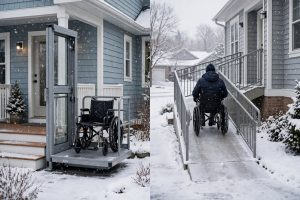
Outdoor installations cluster around three places. Raised front porches are the most common, followed by back decks on sloped lots, and then side entries where a driveway sits below the door. In each case the lift replaces a ramp that would have run too long for the yard.
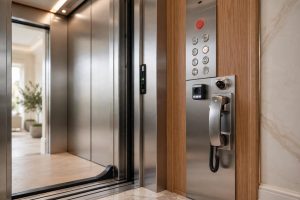
Indoor installations show up in different spots. The steps between an attached garage and the kitchen come first by a wide margin. After that come split level half flights, sunken living rooms, and basement access where a stair lift will not work because the rider stays in a chair.
A platform lift goes wherever a wheelchair user hits a change in level and a ramp cannot fit.
The Pad & the Foundation
What Outdoor Units Need Underneath
An outdoor lift sits on a poured concrete pad sized to the manufacturer’s specification. The pad has to be level, thick enough to carry the tower and the rated load, and set deep enough to sit below the frost line for the area. In a climate with hard winters that last part matters, because a shallow pad heaves as the ground freezes and thaws, and a tower that shifts out of plumb stops running smoothly.
The pad also has to shed water away from the tower rather than collecting it. A pad set in a low spot fills with meltwater, freezes, and puts ice at the base of the equipment all season. Pouring and curing it adds time before the lift can be delivered.
What Indoor Units Need
Most indoor installations bolt to the existing floor slab, which is why garage placements are so common. A concrete garage floor is already a rated surface, already level, and already there. No pour, no cure time, no frost depth to work around.
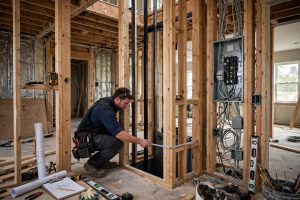
Placements over a wood framed floor need more attention, since the framing has to carry the tower and the load. That usually means blocking or reinforcement underneath, which a site visit will identify.
Finish, Materials, & Weather Rating
Outdoor units use a powder coat finish over the tower and platform with stainless steel hardware throughout. That combination stands up to freeze and thaw cycles, road salt tracked onto the pad, and months of moisture. Fasteners fail first on an underspecified unit, which is why hardware grade matters as much as the coating.
Indoor units skip most of that, and component life runs longer as a result. Buying an indoor rated unit for an outdoor location is a false economy that shows up by the second winter.
Power & Backup
Both types run on a standard 120 volt supply with a dedicated circuit, so the electrical requirement does not change much. What differs is the power outage.
An indoor lift that stops working during an outage is an inconvenience. Someone waits, or takes another route through the house. An outdoor lift that stops working during an outage can leave a wheelchair user unable to get into their own home, standing outside in whatever weather caused the outage in the first place.
Battery backup is worth having on any platform lift. On an outdoor unit in a region with winter storms it stops being an option. Backup systems deliver a minimum number of complete cycles once the power drops, enough to get someone inside and back out.
Permits & Code
Outdoor installations almost always involve the town. A building permit covers the pad and the installation, and an electrical permit covers the circuit. Some jurisdictions add requirements once travel height passes a certain point, which can mean an enclosure at the upper landing.
Indoor installations sometimes need a permit and sometimes do not. Requirements vary between municipalities even within one state, so the installer should confirm what applies at your address before quoting a timeline.
Maintenance Over the Years
An outdoor lift needs an annual service visit at minimum, and the checklist runs longer. The technician inspects the drive, the gate interlocks, the safety pan, battery condition, and the finish on the tower and hardware, looking for corrosion starting at the fasteners.
Between visits the owner has work to do. Leaves collect at the base and hold moisture, sand and grit get onto the platform and into the tracks, and snow needs clearing before the lift is used.
Indoor units ask for far less. An annual check is still worth booking, though nothing corrodes and there is no seasonal clearing. Across ten years the difference is a cost worth putting into the comparison at the start.
Cost Differences Worth Planning For
The lift costs more in an outdoor specification because of the finish and hardware. On top of that sit the pad, the excavation, the permit, and often a longer electrical run to an exterior location. An outdoor installation therefore costs more than the same lift indoors and takes longer, since concrete has to cure before equipment arrives. None of that argues against an outdoor lift when the barrier is at the front door. It argues for pricing the whole project rather than the machine.
Choosing Between the Two
Sometimes there is no choice, because a raised front porch needs an outdoor lift and that settles it.
Where there is a choice, the indoor option usually wins on cost, timeline, and maintenance. A household with both a front porch and a garage entry is often better served putting the lift in the garage and making that the main route in and out. It sounds like a compromise and rarely feels like one, since most people come and go through the garage anyway.
Work out which entry gets used most on an ordinary day, then price a lift there before assuming the front door is the one to solve.