Blog

Harmar SL600

The Complete Stair Lift Installation Guide: Process, Costs, DIY Risks, & Home Requirements

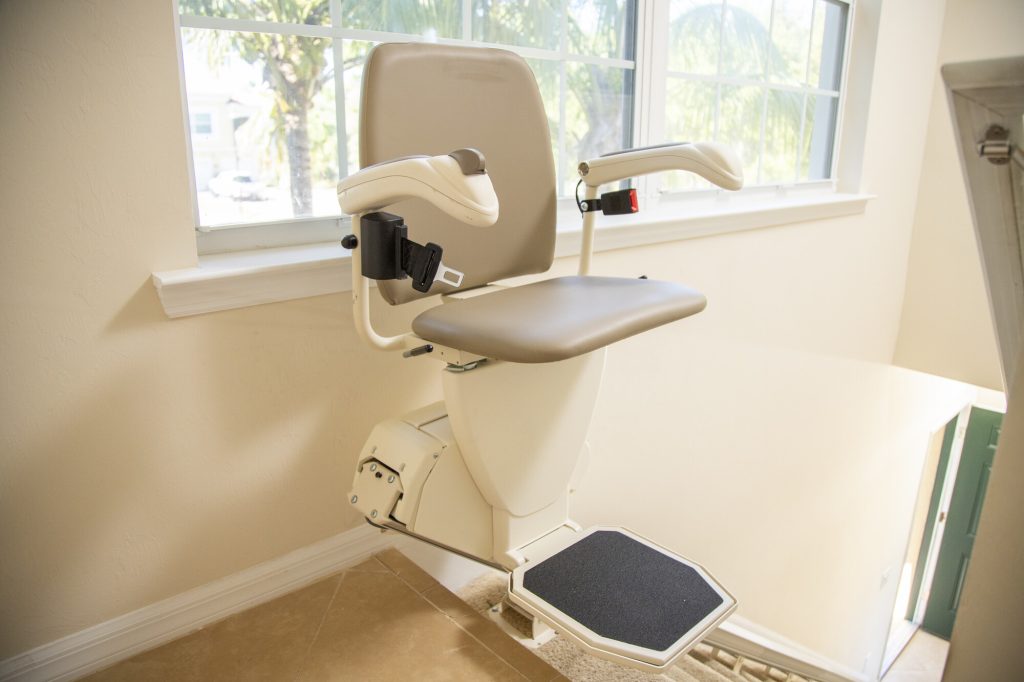
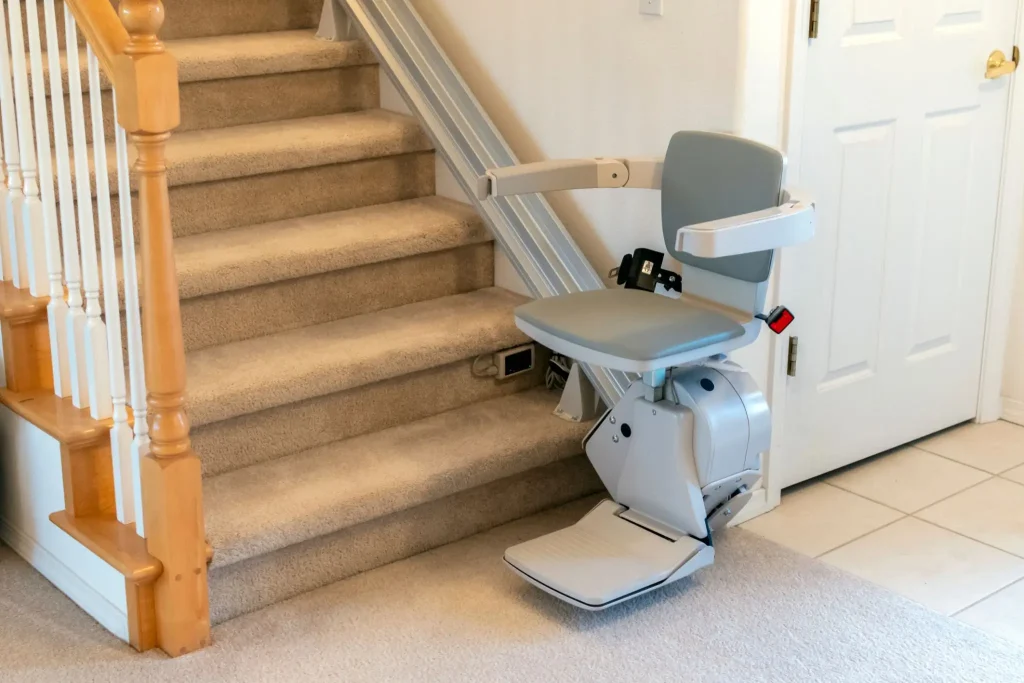
For seniors aging in place and individuals recovering from mobility limitations, remaining independent in a multi-story home is a top priority. When climbing stairs becomes unsafe or painful, a residential stair lift is often the fastest, most economical solution. However, once you decide to invest in a lift, one critical question arises: how does stair lift installation actually work? Navigating home requirements, electrical setups, staircase measurements, and deciding between professional installation versus DIY kits can feel overwhelming. Many online guides oversimplify the process or push dangerous self-installation methods to sell boxed products without addressing safety standards. In this comprehensive guide,
Read More »
The Ultimate Guide to Vertical Platform Lifts (VPL) Types, Cost, Drive Systems, & Installation

The Ultimate Guide to Vertical Platform Lifts (VPL): Types, Cost, Drive Systems, & Installation

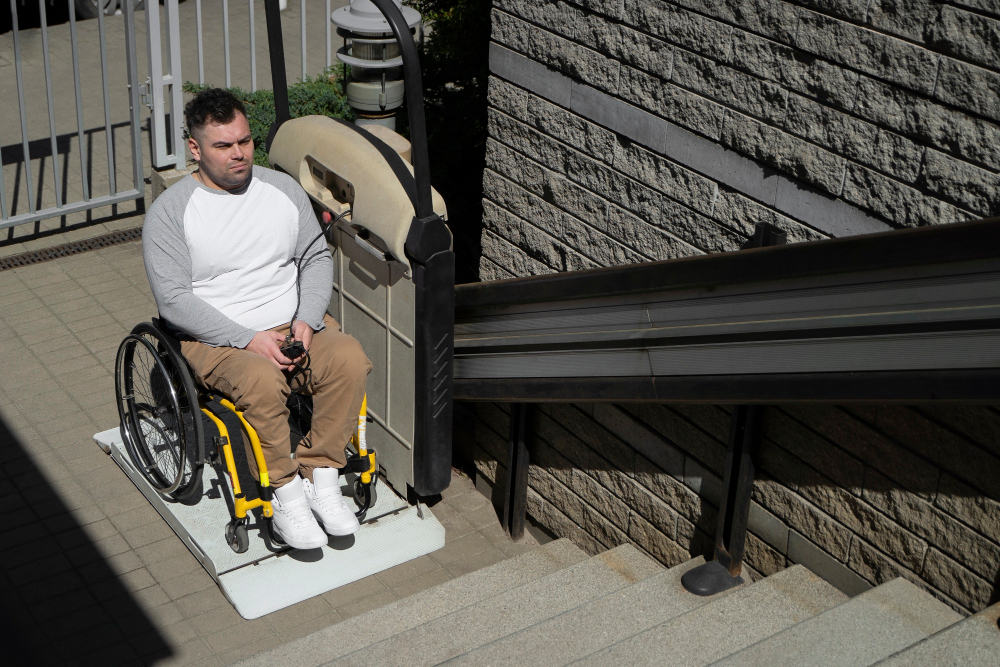
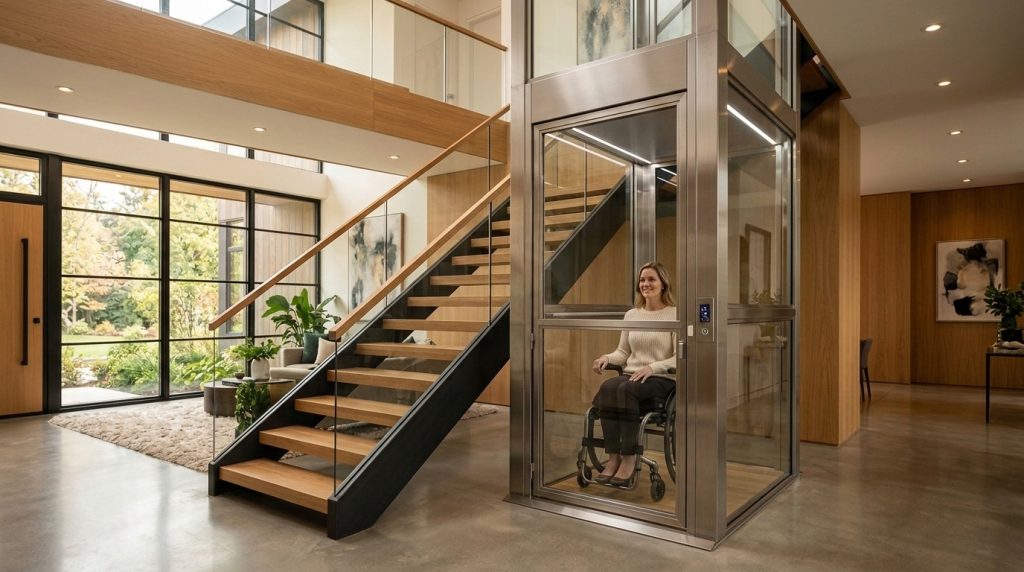
For individuals using wheelchairs, power scooters, or facing severe stair-climbing challenges, maintaining true independence at home or in commercial spaces can feel daunting. While modular ramps require massive square footage and traditional residential elevators demand extensive home structural alterations, Vertical Platform Lifts (VPLs) often referred to as porch lifts or residential wheelchair lifts offer the perfect, space-saving compromise. Whether you are looking to overcome a 3-foot porch barrier or navigate a 14-foot multi-level structure, choosing the right vertical platform lift requires understanding drive mechanics, weight capacities, site prep, and overall ownership costs. In this ultimate guide, we synthesize industry technical

Read More »
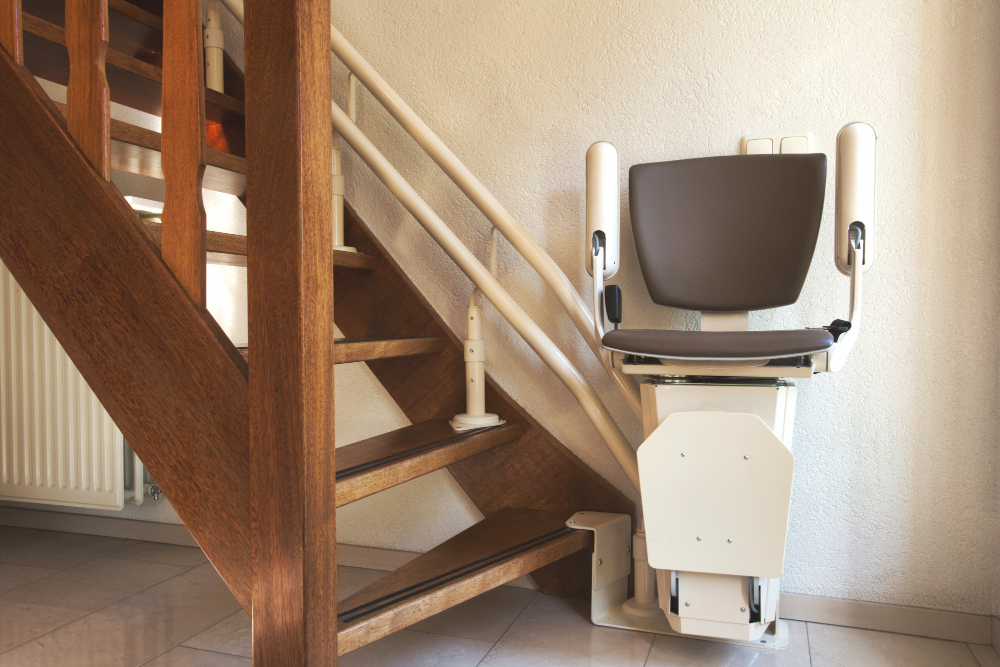
A standard straight stair lift mounted directly to the stair treads

How to Choose the Best Stair Lift for Your Home: A Complete Buyer’s Guide

Maintaining independence at home is a top priority for older adults and individuals navigating mobility challenges. However, when multi-story homes feature steep or narrow staircases, daily movement can become hazardous. According to the Centers for Disease Control and Prevention (CDC), falls are the leading cause of injury among adults aged 65 and older, with staircases posing one of the highest environmental risks in residential settings. Installing a home accessibility lift offers a practical, safe solution. It bridges the gap between total independence and safer living, allowing individuals to remain in the homes they love without risking injury. Navigating the market

Read More »
Buying Accessibility Equipment Before You Need It

Buying Accessibility Equipment Before You Need It

Almost nobody buys accessibility equipment early. The purchase follows a fall, a diagnosis, or a discharge date that lands with two weeks of warning. By then the choices have narrowed to whatever arrives fastest, funding applications that take six weeks are off the table, and the household is making a five figure decision during the worst month it has had in years. Buying ahead of the need is a different exercise. Nothing is urgent, every option stays open, and the price of being wrong is small. The obstacle is rarely money. It is that planning for reduced mobility means admitting

Read More »
Residential Elevator Installation What Happens Week by Week

Residential Elevator Installation — What to Expect From Start to Finish?

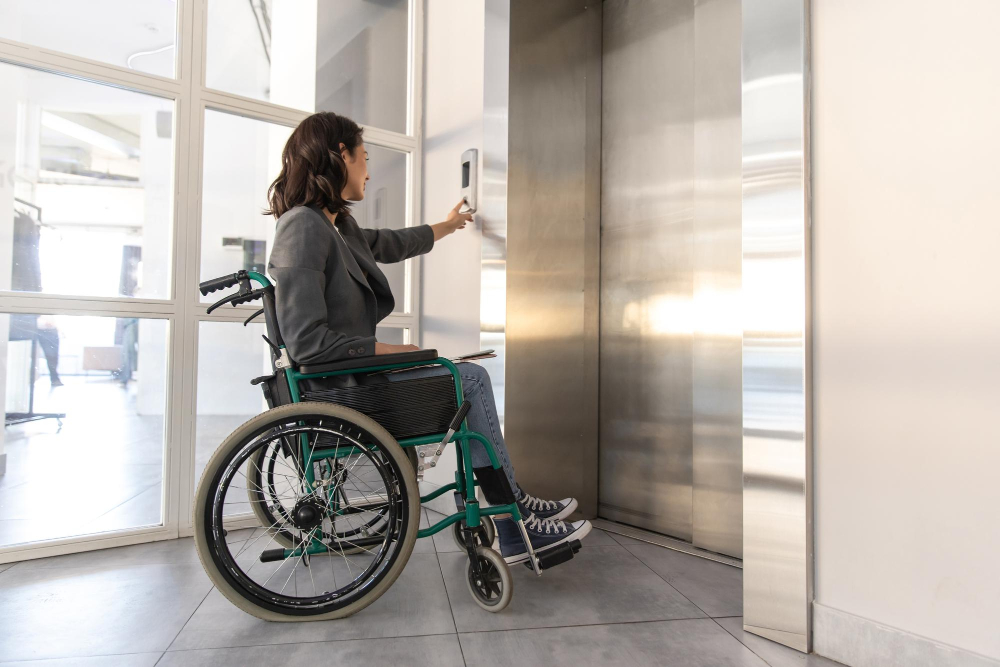
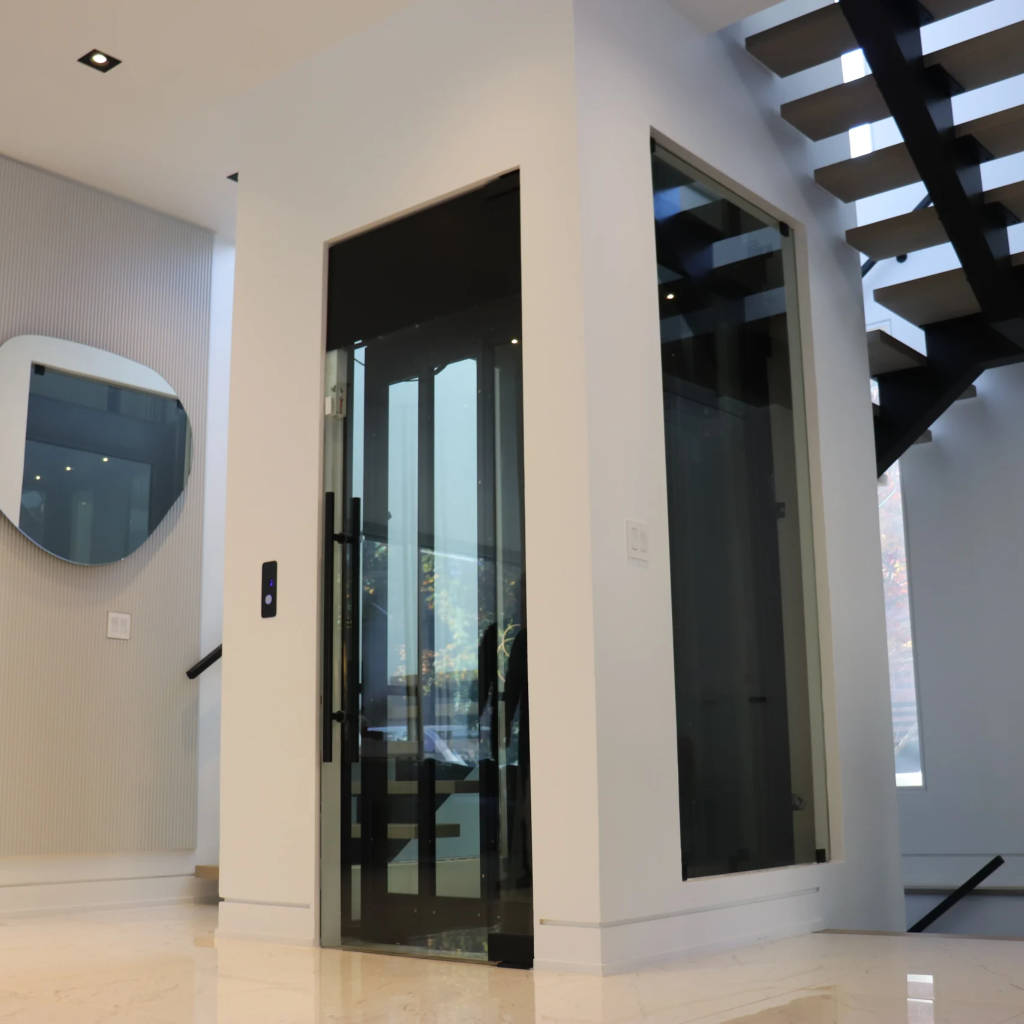
Residential elevator installation is a multi-stage home accessibility project that can involve planning, measurements, structural preparation, electrical work, elevator equipment, safety systems, testing, and final inspection. The exact process depends on the elevator type, number of floors, available space, and whether the elevator is being added to an existing home or planned during new construction. If you are considering a home elevator, understanding what happens before, during, and after installation can make the project easier to plan. Residential Elevator Installation — What Should You Expect? Residential elevator installation typically begins with a professional home assessment and ends with testing, homeowner

Read More »
Renting a Stair Lift Who It Suits & What It Runs Per Month

How Much Does It Cost to Rent a Stairlift?

If you need a stairlift temporarily, renting can cost roughly $100–$300 or more per month, with installation and removal potentially adding several hundred dollars. Straight stairlifts are generally less expensive to rent than curved models. Your total cost depends on the staircase, rental period, equipment, location, and what the rental agreement includes. Pricing disclaimer: The dollar amounts in this article are general estimates for informational purposes only, not guaranteed or verified provider prices. Actual stairlift rental costs can vary significantly by company, equipment, location, staircase configuration, rental term, installation requirements, and availability. Always request a written quote before making a

Read More »
Indoor or Outdoor VPL What Changes Between the Two

Indoor or Outdoor VPL: What Changes Between the Two

A VPL wheelchair platform lift looks much the same in a garage as it does beside a back deck. The tower is the same height, the platform is the same size, and the rider operates it the same way. What changes is everything around the machine. Outdoor units need a concrete pad, a finish built for weather, a drainage plan, and a permit in most towns, and indoor units usually need none of that. The site decision drives cost, timeline, and how much maintenance the lift asks for over the next ten years. Where Each One Usually Goes Outdoor installations

Read More »
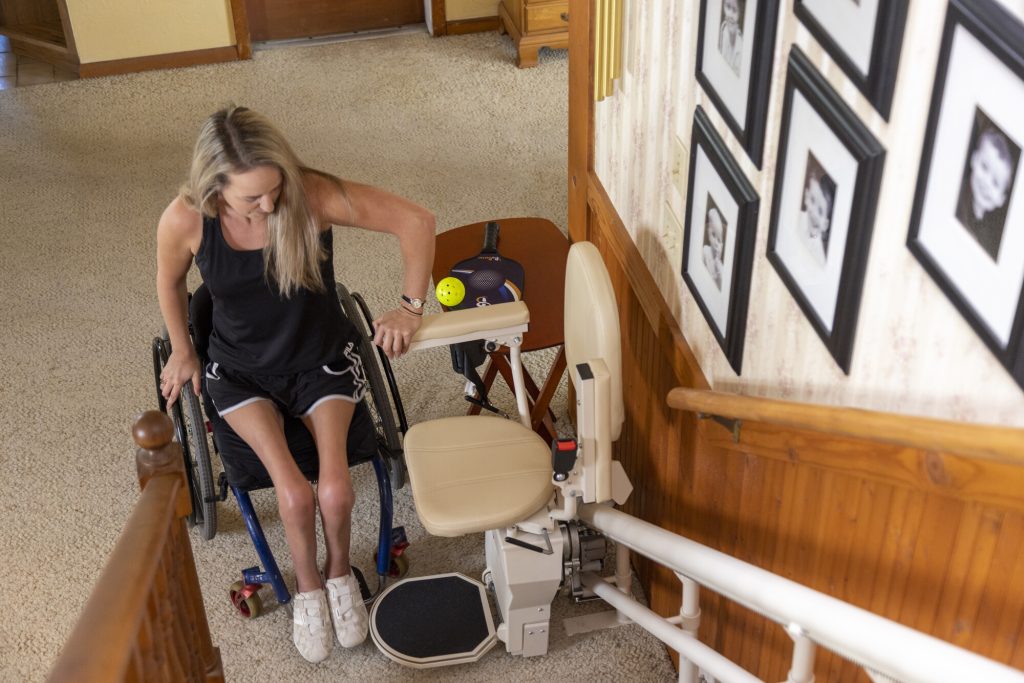
Harmar-458-Harmar-Helix-112021-BAP_lpr

Home Elevator vs Stairlift: Which Is Better for Your Home?

Choosing between a stairlift and a home elevator depends on more than price. A stairlift is generally simpler and less expensive when one person needs help traveling between floors. A home elevator provides broader floor-to-floor accessibility and may accommodate a wheelchair, multiple passengers, or household items. The right choice depends on mobility needs, staircase layout, available space, budget, and long-term plans. What Is the Difference Between a Home Elevator and a Stairlift? What Is a Stairlift? A stairlift is a motorized seat mounted to a rail along a staircase. The user sits in the chair and travels between floors without

Read More »

Accessibility Equipment for Multi Level Homes

Most people start looking at accessibility equipment before they know what they are looking for. Something has changed, a fall or a diagnosis or a slow decline nobody wanted to name, and the stairs have become the problem. Product catalogs are unhelpful at that stage, because they assume you already know which category you need. A better starting point is the barrier itself. Work out exactly where the difficulty happens and the equipment narrows itself down quickly. Mapping the Barriers in Your Home Walk the route the person actually takes on an ordinary day. Not the tour of the house,

Read More »

Stair Lift Options for Narrow Staircases

Most people with a tight stairwell assume a stair lift is off the table before they ever ask. The staircase feels narrow when two people pass on it, so the idea of adding a seat and a rail seems absurd. In practice, narrow staircases rarely rule out a stair lift. Slim profile models fold to a width that surprises people, and the measurement that decides the question is not the one most homeowners take. How Narrow Is Too Narrow The working minimum for most residential stair lifts sits around 27 to 30 inches of usable stair width, and some slim

Read More »